When Lies Leave Logs: Digital Forensic Lessons from Maternal Instinct
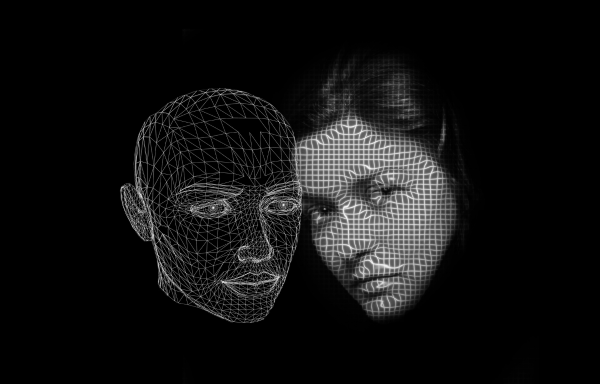
As a Digital Forensic Analyst, I rarely view a phone as simply a phone. In an investigation, a mobile device can become a pocket-sized witness. It may not explain motive by itself, but it can preserve behavior: messages, calls, searches, account activity, deleted artifacts, documents, photographs, locations, and timestamps.
Netflix’s Maternal Instinct presents a disturbing example of how digital tools can be used to support a long-running deception. The Taylor Parker case involved a fabricated pregnancy, false identities, altered communications, and forged documents. From a forensic perspective, the case is a reminder that digital deception is rarely clean. Even the most carefully staged lie can leave behind an artifact trail.
One of the most important forensic issues is device attribution. According to the documentary, Parker used multiple phones to text herself, creating the appearance that different people were participating in conversations. To a recipient, a message may look like it came from a mother, friend, doctor, or trusted third party. To an examiner, the question is different: what device actually created, sent, received, or stored that message?
The visible text thread is only the surface layer. Beneath it may be application databases, sender and recipient identifiers, contact records, call logs, deleted fragments, cloud backups, IP data, and account metadata. In a self-texting scheme, those digital breadcrumbs matter. If two supposed people are communicating with a victim or witness, an analyst may compare whether both identities trace back to the same device, account, phone number, or application. The messages may perpetuate the lie, but metadata often whispers the truth.
The documentary also raises the issue of voice alteration. Parker reportedly used some form of voice-changing technology when calling her boyfriend. Forensically, that creates two separate questions: who placed the call, and how was the audio manipulated? Call detail records, device logs, VoIP artifacts, application data, and account records may help identify the source. Audio analysis may then reveal signs of pitch shifting, compression artifacts, synthetic alteration, or app-based processing. A changed voice may disguise a speaker, but it does not erase the communication pathway.
Another major red flag is alias infrastructure. Parker reportedly used more than 30 fake aliases, including impersonating her own mother. She also allegedly used those identities in connection with attempts to fraudulently purchase more than $20 million in real estate and other assets. From a digital forensic standpoint, aliases are more than fake names. They are operational ecosystems. Each identity may require phone numbers, email accounts, contact entries, signatures, saved documents, screenshots, fake profiles, or message histories. The more personas someone creates, the more digital clutter they generate, which means more evidence.
Fabricated documents add another layer. The documentary describes false medical and pregnancy-related records, including baby gender information. Digital document analysis may reveal creation dates, editing software, metadata, reused templates, inconsistent fonts, suspicious formatting, or mismatched logos. Even screenshots can be examined for compression patterns, layout problems, and signs of manipulation.
The broader lesson is simple: lies have logs. False identities have account trails. Forged documents have creation histories. Altered communications have technical footprints. Maternal Instinct is a tragic story, but it is also a sharp reminder that digital fantasy often collapses under forensic scrutiny.
Timothy R. Primrose, CASA, CFVT
Digital Forensic Analyst
View all articles by Timothy R. Primrose, CASA, CFVT