Turning Lemons into Lemonade: Forensic Video Analysis Edition
At what point does the integrity of a video make it unreliable? Video from a properly set up surveillance system usually provides data that can be used for forensic analysis; however, the physical camera lens can become compromised by weather or mechanical failure, affecting the reliability of the recording. In other instances, such as the one discussed here, a human may mishandle the data, intentionally or not.
DJS Associates, Inc. was provided with video data that documented a pedestrian being hit by a vehicle in a parking lot. It was a shaky, portrait orientation video, with a section of the blurry parking lot framed by skewed white borders on the left and top side. The movement was broken into a grid, with only certain squares of the grid changing sporadically. Audio was also present; however, it was the ambient noise of an office or home interior.
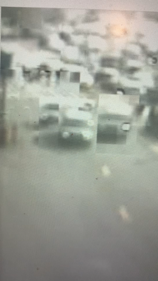
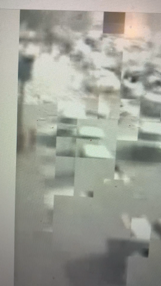
There was no lemonade to be made from this lemon. The video authenticity and integrity suffered greatly, resulting in highly unreliable data. The video was produced by a handheld device, likely a smartphone, recording the playback of surveillance video on a display monitor, evident by the skewed white borders, dirty screen, and irrelevant audio stream. Blurriness of the scene, but sharpness of the white borders, implies an issue of focus with the original surveillance camera and not a focal issue of the handheld camera. Even so, the video could have still provided somewhat reliable data if it weren’t for several other issues relating to handling of the evidence.
Only a small, cropped area of the original surveillance video frame was recorded by the handheld device. The choppy playback was the product of interrupted data transmission across a pixel group grid, otherwise known as packet loss macroblock artifacts. With the multiple, compounding issues affecting both the spatial and temporal authenticity of the video, this lemon was unfortunately not worth the squeeze. Luckily, another video of the incident yielded much more reliable data. Although its properties still indicated it was not a native video or a copy from the original surveillance system (ambient room audio, frame borders) and more likely a screen recording, it provided at least a full frame view of the scene in addition to more reliable temporal data of the moments leading up to the impact.
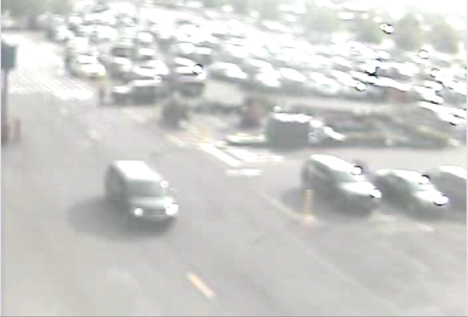
Choppy playback was still present, but this time in the form of a variable frame rate where each frame of the video is displayed for a specific amount of time. Although this new video did not provide a full cup of lemonade, it at least provided a few drops more than the first one, helping to satisfy our thirst for reliable data.
Laurence R. Penn, CFVT
Senior Forensic Animation / Video Specialist
View all articles by Laurence R. Penn, CFVT