Text Message Evidence: Substance Use in a Wrongful Death Matter

A digital forensic examination was conducted in connection with a wrongful death matter. Decedent was described as a recovering drug addict who hosted a party at a home owned by relatives while they were out of town. He died later that night following alleged drug use and disputed circumstances involving two friends. The civil dispute centered on whether Decedent’s actions in the days leading to the alleged overdose were voluntary or the result of coercion. The examination focused on the recovery and analysis of outgoing communications from Decedent’s cell phone to help clarify the planning, intent, and participation in the events of that weekend.
Counsel requested a targeted review of Decedent’s communications and related artifacts to identify content that could be used to evaluate his decision-making and willingness to participate. The initial scope emphasized a narrow window of one weekend, so the results would be tightly constrained to the relevant period and suitable for efficient legal review and production. Any communications reflecting substance-related coordination and Decedent’s role in its initiation or direction were of particular interest.
Hundreds of messages were reviewed across dozens of threads and then chronologically reconstructed to illustrate the sequence of events. Further analysis centered around three investigative questions:
- Initiation: Who started conversations, proposed plans, and drove coordination?
- Intention: Do the messages show fear, reluctance, threats, or pressure; or do they reflect willing participation?
- Substance-related behavior: Do the messages reflect self-directed substance use, planning, or invitations, as opposed to coercion?
Key Findings
The extracted messages demonstrated frequent outbound communications consistent with Decedent’s active role in coordinating social plans. Across the target period, he had often initiated contact, confirmed timing, and provided logistics, which is more consistent with voluntary participation.
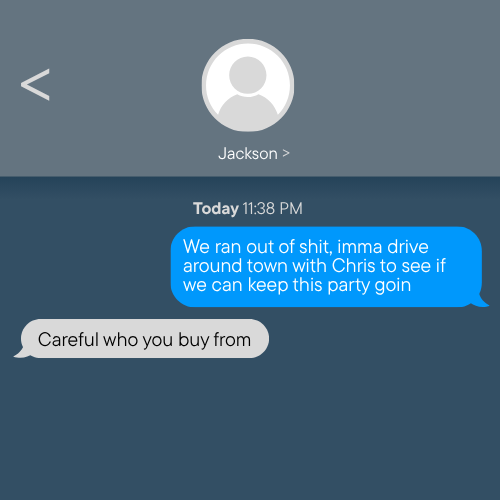
Contents of text messages exchanged within the same period provided multiple examples of substance-related discussion, including inquiries to drug dealers about purchasing paraphernalia. The messages reviewed notably lacked clear indicators of threats, demands, intimidating behavior, or forced compliance. Instead, the tone and pattern of the messages supported the interpretation that Decedent had been an engaged and willing participant.


Why It Mattered
These communications provided counsel with direct, contemporaneous evidence bearing on intent, voluntariness, and participation. The message pattern, especially Decedent’s repeated initiation and coordination of substance-related discussion, supported the interpretation that Decedent was not forced or coerced but instead had been an active participant in the events that unfolded.
Timothy R. Primrose, CASA, CFVT
Digital Forensic Analyst
View all articles by Timothy R. Primrose, CASA, CFVT