What “Wood” You Do?: The Cause of a Not-So-Minor Leak
Case Summary: Plaintiffs’ home suffered a minor leak from a second-floor bathroom into the kitchen. On the ceiling and wall accesses, more severe damage was observed than would have been expected based on the size of the leak. Prior to purchasing the home, Plaintiffs retained a home inspection company, which did not identify any moisture or mold impacts to the structure. Additionally, the sellers did not disclose any repairs to the structure for moisture incursion/leakage or mold impacts during their tenure in the Seller’s Disclosure. Furthermore, it was only during discovery that Plaintiffs learned the realtor did not provide them with a home inspection report, developed on behalf of a previous prospective buyer, which did identify the potential for moisture incursion/leakage into the structure. The issues at hand were the causation of the mold growth, the extent of property damage, and the timeline.
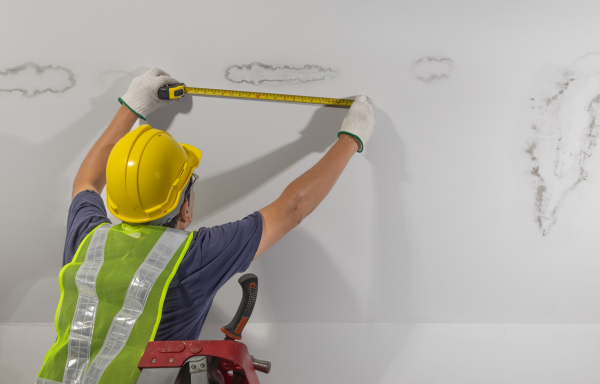
Expert Analysis: Both home inspection reports were reviewed, and visual observations conducted of the home. Infrared thermographic imaging and building material moisture content tests were subsequently conducted to evaluate the construction for signs of previous repairs and to focus invasive inspections for the presence of hidden mold growth into the wall, floor, and ceiling assemblies. Wood microbiology, air, and dust samplings were conducted to characterize the fungal conditions in the house.
Moisture sources and pathways were identified to be both external and internal to the house. Extensive, visible mold growth was present in the wall, ceiling, and floor assemblies, primarily related to window/door penetrations, roof terminations, and flashing. There were also plumbing and shower/tub leaks. Visual evidence of previous repairs made to the structure was found. Bulk wood samples of the structural members confirmed the presence of “late stage” wood decay, establishing a timeline of moisture exposure for 5 years or longer, which predated Plaintiffs’ tenure in the house. The air and dust sample results indicated fungal contamination throughout the home and in the heating, ventilation, and air-conditioning (HVAC) system.
Result: A jury rendered a verdict in favor of Plaintiffs against the previous owners and the realtor. The home inspection company was not held responsible for conditions in the house that were not readily visible.
The invasive inspections, photo documentation of the conditions observed, and wood sample results proved to be powerful pieces of evidence by providing a relative timeline of the moisture incursion and structural damages.