Pump Station Failure: Electrical Surge, Flooding, & Causation Analysis
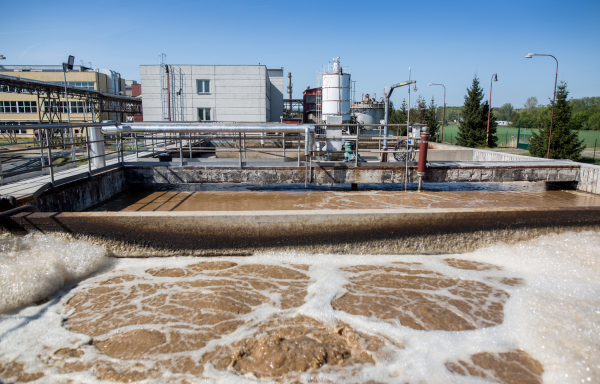
Case Summary: Over the course of two years, a township completed a major rehabilitation of a pump station, a critical municipal wastewater conveyance facility located adjacent to a creek. The upgraded station was placed into service and operated normally for approximately one month before a severe storm event occurred. During that storm, a surge protective device (SPD) installed within the motor control center (MCC) experienced a surge event that resulted in a catastrophic internal failure, momentarily interrupting power to the facility. Shortly thereafter, the pump station experienced flooding that disabled the pumps and caused wastewater to overflow from the wet well. The municipality, engineering firm, contractor, and SPD manufacturer all became involved in a multi-party insurance and liability investigation to determine whether the electrical surge event or the station’s structural and design features caused the failure.
Expert Analysis: The expert retained was previously involved in both the original construction of Pump Station and the post-event restoration of the facility. This provided system-level familiarity of the station’s electrical distribution, pumping systems, hydraulic behavior, and physical layout. That knowledge allowed a quick, accurate reconstruction of events, including the timing of the electrical surge, the restoration of power, and the onset of flooding within the wet and dry wells. Integrated understanding of surge protection systems, pumping capacity, and flood hydraulics made it possible to evaluate whether the SPD failure could have caused the overflow or whether an independent hydraulic failure mechanism was responsible.
The surge event occurred when the SPD installed within the MCC absorbed a high-energy transient, or momentary variation in voltage, associated with the storm. The device failed in a manner consistent with its intended protective function, diverting energy away from downstream equipment but rupturing internally due to the magnitude of the surge. This event tripped the alternate power source, producing a short-duration power interruption. Electrical inspection and data review confirmed that power was restored before wet well levels reached elevations that would have prevented pump operation.
During the same storm, creek levels adjacent to the pump station rose significantly. A nearby manhole contained a bolted, sealed lid. As floodwaters rose, air trapped inside the sealed structure became pressurized. This internal air pressure was forced upward against the manhole riser section, displacing it from its foundation and creating an opening through which creek water entered the wastewater system. This resulted in a large, uncontrolled inflow to the pump station that exceeded its design pumping capacity.
As wet well levels increased, another failure mechanism became active. During the original design phase, an HVAC duct had been installed between the dry well and wet well to provide ventilation. Although isolation dampers were incorporated, the wall penetration itself was not watertight. When the wet well water level exceeded the elevation of this opening, water passed through the unsealed penetration into the dry well. The dry well contained the lower electrical and mechanical components of the station, including pump motors and controls. Flooding of this space submerged critical equipment and rendered the station inoperable.
The investigation included site inspections, electrical equipment examination, review of design drawings, construction records, and operational data. Hydraulic elevations and pumping curves were analyzed to determine whether continued pump operation could have prevented flooding. The findings showed that, even if full electrical power had been maintained continuously, the uncontrolled creek water inflow through the displaced manhole and the unsealed duct penetration would have exceeded the system’s pumping and containment capacity.
Applicable industry standards for wastewater pump station design require that dry wells be isolated from wet wells by watertight barriers and penetrations, and that external flood paths be prevented from entering the wastewater system. Those standards were not met due to the unsealed duct penetration and the absence of pressure-relief or flood protection provisions at the manhole.
Result: Investigation determined the primary cause of the pump station failure was uncontrolled floodwater entry through the displaced manhole and unsealed wet-well-to-dry-well duct penetration, not the temporary electrical outage caused by the SPD. Claims against the SPD manufacturer were dismissed, and liability shifted to the design and structural deficiencies that allowed floodwater intrusion to overwhelm the station.