Flare Pistol Accidental Discharge
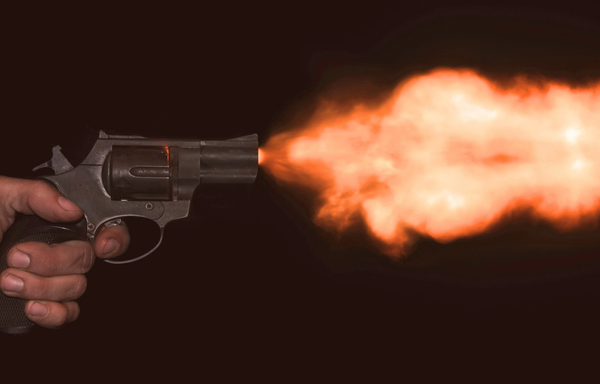
A man kept a loaded flare pistol in his front left trouser pocket while he was fishing. Upon retrieving the device, the exposed hammer drew and released, discharging the pyrotechnic within the pocket and igniting the fabric. The man received burns over a significant portion of his body and required extensive hospitalization.
Discovery materials indicated that this model of flare pistol was responsible for at least three unintentional discharges, two of which caused bodily injury, one of which incinerated a school bus. Flare pistols are not firearms and are regulated no differently than toys. This pistol is largely made of molded plastic and has no external safety and an exposed spur hammer. In this model, the spur hammer can be pulled back to a point of near full draw (sear engagement), and when released, the hammer-mounted firing pin will protrude past the breech face and detonate the primer. While testing the pistol, the flare launched without use of the trigger by merely pulling and releasing the hammer.
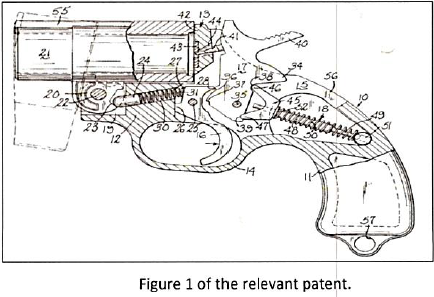
A patent search revealed that this pistol was designed to prevent the subject unintended discharge using a rebounding hammer. That is, the design is such that the trigger must be pulled in order to allow the hammer mounted firing pin to go forward of the breech face. However, the manufacturers of the flare pistol do not make the mating hammer and trigger surfaces from rigid metal (which was the intent of the design), but from plastic. The flexibility of the plastic allows the hammer to travel too far and overcome the restraint of the safety sear.
Numerous other flare pistol designs were researched. Design features of superior flare pistols included a double-action trigger, hammerless design, or an external safety. None of these designs would have failed in the same manner that the subject design did on numerous occasions.
Two lawsuits were filed as a result of the injuries associated with the unintended discharges of this product. Both were settled prior to trial.
Stephen A. Batzer, Ph.D., P.E.
Mechanical Engineer
View all articles by Stephen A. Batzer, Ph.D., P.E.